The Cost of Living in Helena, Montana: What Your Budget Needs to Know
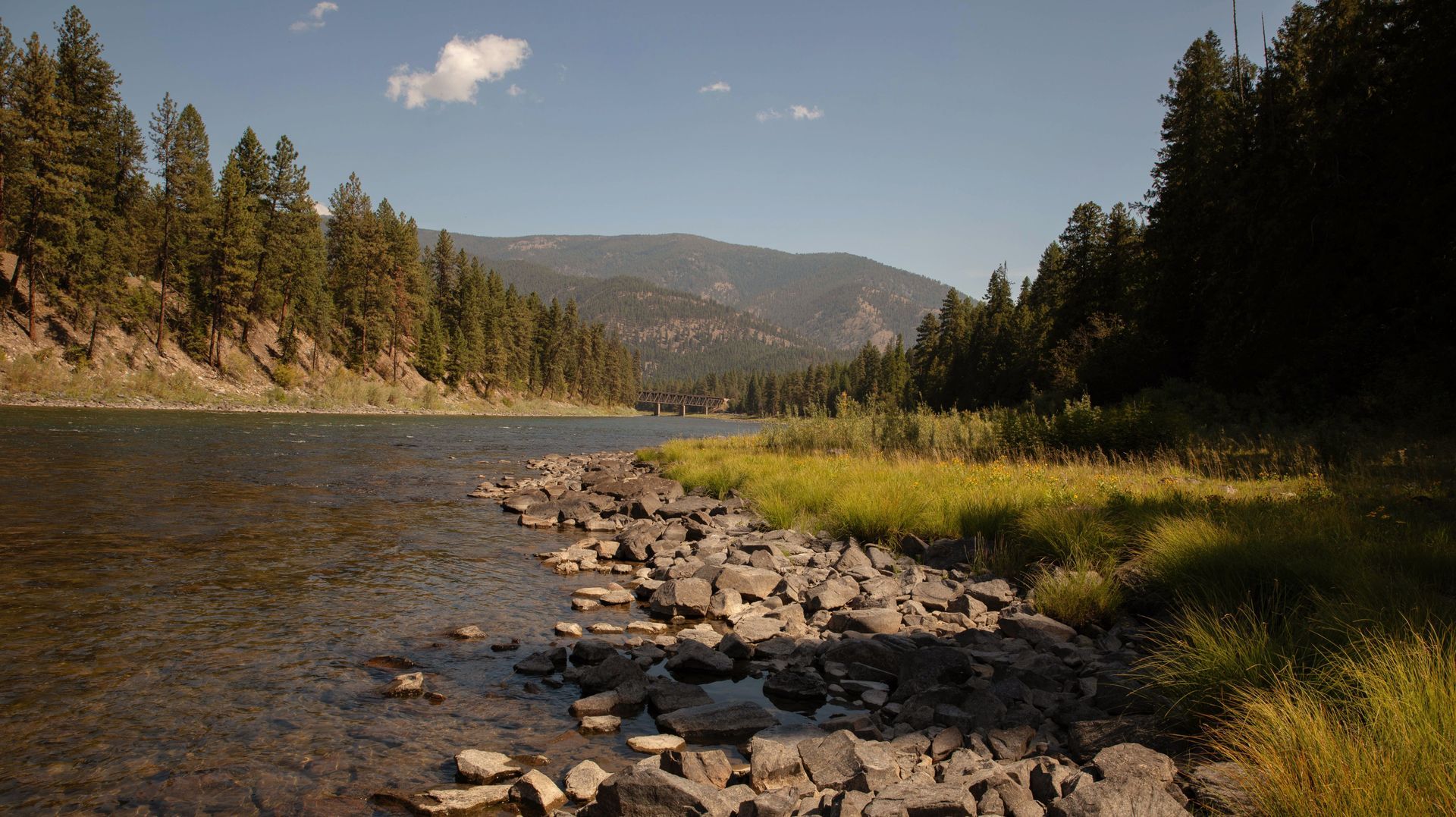
Tucked into the foothills of the Rocky Mountains, Helena is one of those rare state capitals that still feels like a small town. Gold miners founded it back in 1864, and you can still walk the pedestrian mall on Last Chance Gulch, where they struck it rich. Today, the draw is a little different, with residents coming for the trail access, the tight-knit community, and a pace of life that leaves room to actually breathe. The city has grown to a 2026 population of about 35,746, climbing roughly 1.7% a year, which tells you plenty of people are figuring out what makes this place special. Of course, every city has its advantages and tradeoffs. If you're still deciding whether Helena is the right fit, take a look at the pros and cons of living in Helena, Montana, before making your move.
Before you pack the moving truck, though, it helps to know what living here actually costs. Helena sits at a cost of living index of 104, meaning it runs about 4% above the national average and roughly 9% higher than the typical Montana city. That is not wildly expensive, but it is a bit more than the mountain-town bargain some newcomers expect. Let's walk through the numbers so you can build a realistic budget instead of a hopeful one.
Buying a Home in Helena
The housing market is where most people feel the pinch first, and Helena is no exception. As of early 2026, the median home price sits at about $389,000, down roughly 6.2% from a year earlier. The good news for buyers is that prices have actually softened over the past year, and after the frantic pandemic-era run-up, that cooling gives buyers a little more breathing room to negotiate. Homes are also moving at a calmer pace, which shifts a bit of leverage back toward the people writing the offers.
The market has loosened up in ways that favor patient shoppers. Homes are now sitting for about 78 days before selling, with a moderate 1.88-month supply of inventory, which points to a reasonably balanced market rather than a seller's free-for-all. Single-family homes tend to run higher while condos come in lower, so the style of home you want will move your budget in a meaningful way. If you have been priced out of hotter Western markets like Bozeman or Missoula, Helena can feel almost reasonable by comparison.
Renting Instead
Not everyone wants to buy right away, and renting in Helena is a solid way to test the waters before committing. A one-bedroom apartment averages around $1,325 per month, though the figure moves with the neighborhood and the age of the building. Two-bedroom units naturally cost more, generally landing in the $1,700 range, so plan on paying a few hundred dollars extra for that additional bedroom. As with most cities, the price gap between one and two bedrooms is real, so it pays to figure out how much space you genuinely need.
Rental inventory in Helena is decent but not endless, so it helps to start your search early rather than assuming you will find something the week you arrive. The mix of downtown apartments, valley properties, and older homes converted to rentals gives you a range of styles to choose from. Prices can swing based on whether you want walkable access to the historic district or a quieter spot out in the Helena Valley.
If you're relocating to Helena and aren't ready to commit to a permanent home, flexible storage can make the transition much easier. A month-to-month storage unit gives you the freedom to move at your own pace without feeling locked into a long-term contract, especially if you're waiting on a home purchase or lease.
Everyday Expenses: Groceries and Utilities
Once you have a roof over your head, the daily costs start adding up, and groceries are the first line item most families notice. In Helena, groceries run about $437 per person each month, which puts the local grocery index just a hair below the national average. That is a small mercy in a state where a lot of food gets trucked in over long distances. Careful shoppers who lean on local markets and seasonal produce can trim that figure without much effort.
Utilities are where Helena's mountain climate becomes a budget factor, since winters here demand real heating. Basic utilities for a typical apartment, covering electricity, heating, cooling, water, and garbage, average around $376 per month. The upside is that electricity itself is relatively affordable, with NorthWestern Energy residential rates averaging about 13.9¢ per kilowatt-hour, roughly 28% below the national benchmark. Those cold-weather heating bills will still test your budget from December through February, so build a cushion for the deep winter months.
Getting Around Town
Transportation costs in Helena are shaped by the fact that this is very much a driving town, though its compact size keeps commutes short. Gas has been on the higher side lately, with Montana's statewide average recently sitting near $3.96 per gallon, one of the pricier stretches the state has seen in years. The saving grace is that Helena is small enough that you are rarely driving far, so even elevated pump prices do less damage to your monthly budget than they would in a sprawling metro. Most errands, school runs, and commutes stay within a tidy radius of a few miles.
Because the city is walkable in its core and bikeable in warmer months, some residents manage to keep a single car or skip long daily commutes entirely. Public transit exists but is limited, so most households plan on owning a vehicle. Factor in insurance, maintenance, and those higher fuel prices when you sketch out your transportation line.
Taxes: Montana's Big Selling Point
Here is where Montana quietly rewards its residents, because the state has no general sales tax at all. That means the price on the tag is the price you pay, whether you are buying a winter coat or a new set of skis, and over a year those savings add up in a way that is easy to underestimate. For anyone moving from a state where sales tax tacks 7% or more onto every purchase, this feels like a permanent discount on daily life.
Income and property taxes are more of a mixed bag, but still manageable. Montana uses a two-bracket income tax with rates running from 4.7% to 5.65% in 2026, and that top rate is scheduled to keep dropping in the coming years. On the property side, Helena homeowners pay a median of about $3,367 per year on a home valued near $355,100, which works out to an effective rate of roughly 0.95%. Montana is also rolling out a new homestead provision in 2026 that gives qualifying primary residences a reduced rate, so owner-occupants may fare better than the raw numbers suggest.
Making It Work on a Helena Income
Numbers only mean so much without a paycheck to measure them against, and Helena holds up reasonably well here. The median household income sits around $71,036, supported by an economy that leans heavily on stable sectors like government, healthcare, and public administration. As the state capital, Helena benefits from a steady base of public-sector jobs, while Fort Harrison and a growing healthcare industry add further ballast. That stability is part of why the local job market has kept growing in recent years.
When you stack that income against a cost of living that runs only modestly above the national average, Helena starts to look like a place where a normal salary still stretches to a good life. You get mountain access, a walkable historic downtown, and no sales tax, all without the eye-watering price tags of Montana's trendier destinations. It is not the cheapest corner of the country, but the value equation makes sense for a lot of people. And if you need a little extra room while you settle into your new Helena home,
Security Storage has storage solutions ready to make your move easier.