The Pros and Cons of Living in Helena, Montana
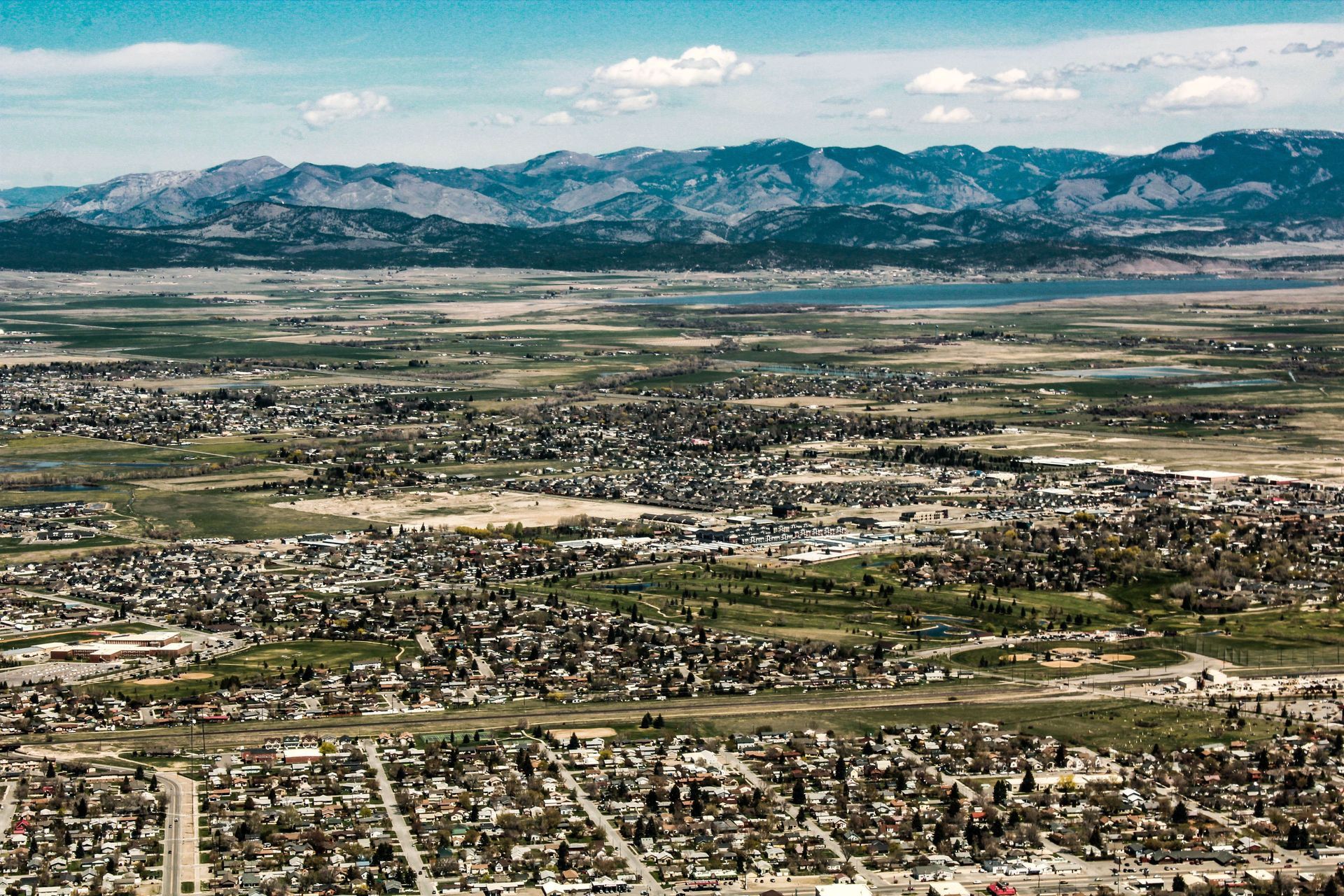
Helena sits in a wide valley between the Big Belt Mountains and the Continental Divide, and it wears two hats at once. It is the capital of Montana, home to the legislature and a good chunk of the state's professional workforce, but it started as a gold camp in 1864 and still feels like a mountain town where the trailhead is a short walk from the coffee shop. People come here for the mix of steady work and easy access to the outdoors, and a lot of them never leave.
Life in Helena can be genuinely great, but it is not a fit for everyone. The winters are long, the housing market has gotten tighter than most locals would like, and if your idea of a good night out involves a dozen restaurant choices, you may feel the limits fast. Here is an honest look at what you get, and what you give up, when you make Helena home.
Pros of Living in Helena
1. The Trails Start Where the Streets End
Most cities make you drive to nature. Helena hands it to you at the edge of the neighborhood. Mount Helena rises 5,468 feet directly above downtown, and the surrounding trail network connects into more than 70 miles of paths, with the broader South Hills and Mount Helena system linking hikers and mountain bikers straight from town into the hills.
The riding here is good enough to have earned Helena a Silver-level Ride Center designation from the International Mountain Bike Association, which puts it on the map for cyclists nationally. The economics back up the enthusiasm too. According to Headwaters Economics, Helena's South Hills trail system alone supports around 60 jobs and $4.3 million in annual visitor spending, and Montana's outdoor recreation economy overall drives roughly $7.1 billion in consumer spending and more than 71,000 jobs. When people say the outdoors is part of the local economy, they mean it literally.
2. A Downtown With History
Last Chance Gulch is the real heart of Helena, and it is not a manufactured tourist strip. The name comes from the 1864 gold strike that started the whole city, and by 1888 the area reportedly had around 50 millionaires living along it. Today the last stretch is a pedestrian walking mall lined with independent shops, breweries, coffee roasters, and farm-to-table restaurants.
You get more than shopping down there. The Cathedral of St. Helena, modeled after a church in Vienna, anchors the skyline, and spots like Reeder's Alley preserve original 1864 pioneer buildings. It is the kind of downtown where you can spend an afternoon wandering, catch live music or the Helena Symphony, and actually run into people you know. For a city of its size, that walkable core is a real asset.
3. Paycheck Stability
Because Helena is the state capital, government is the backbone of the local job market, and that brings a stability a lot of Montana towns lack. State agencies employ thousands of people across the valley, and the work does not vanish when tourism slows or commodity prices dip. That steady public-sector base is one reason Helena weathers economic swings better than resource-dependent parts of the state.
Healthcare is the other pillar. St. Peter's Health runs the region's main hospital and is one of the largest private employers in the area, which keeps demand strong for nurses, technicians, and support staff. Add a small but real small-business scene downtown, and you get an economy that is not flashy but tends to keep people working. If you want a career that lets you go home at a reasonable hour and still hit the trail before dark, that matters.
4. More Sunshine and Less Snow Than You Would Guess
Say "Montana winter" and people picture a permanent blizzard. Helena is drier than that reputation suggests. The city sits in a rain shadow and picks up only about 38 inches of snow a year, which is modest for a mountain town, and the snow that does fall tends to be light because the valley gets so little total precipitation.
The trade-off is a lot of clear sky. Helena logs roughly 2,700 hours of sunshine annually, so even in the depths of January you get bright, blue-sky days between the cold snaps. That combination, sunny and dry, is a big part of why the trails stay usable so much of the year and why locals do not hibernate the way you might expect.
5. Cheaper Than Montana's Trendy Towns
Montana has gotten expensive, but Helena is far from the worst of it. Compared with Bozeman, which has become one of the priciest cities in the mountain west, Helena is a relative bargain. Its overall cost of living and its rents both sit below what you would pay in the boom towns to the west like Bozeman and Missoula.
You also feel the savings in some everyday categories. Transportation costs tend to run below the national average, and utilities come in cheaper too. For anyone priced out of Bozeman or Missoula but still wanting a capital city with mountain access, Helena hits a middle ground that is getting harder to find in this state.
Of course, housing is only one part of the financial picture. Before making the move, it's worth taking a closer look at the cost of living in Helena, Montana, including typical housing, utility, transportation, and everyday expenses, so you can build a realistic budget.
Cons of Living in Helena
1. Home Prices Have Climbed Fast
The affordability advantage over Bozeman does not mean Helena is cheap. The median home price has pushed past $440,000 in recent years after a steady run of increases, which is a heavy lift for a city where many of the best jobs are on a government salary. Prices have cooled slightly of late, but the long-term trend has been steadily upward.
Renters feel the squeeze too. The average one-bedroom apartment now rents for north of $1,500 a month, and inventory across the valley stays tight. Buyers on an entry-level budget can still find older homes in East Helena or the valley, but they are competing for a limited supply. If you are moving from a genuinely low-cost part of the country, the sticker shock is real.
2. Winter Means Business
The snow may be light, but the cold is not a joke. Helena runs a January average low around 13 degrees, and that is just the average. Arctic cold snaps can push temperatures well below zero, sometimes down toward 30 below when a front settles into the valley, and those stretches can arrive as early as November.
That kind of cold shapes daily life. You learn to plug in a block heater, keep winter gear in the car, and plan around icy roads that can last for weeks. The snow season stretches from October into April, so this is not a place where winter politely wraps up in February. People who love the season embrace it, but if cold weather grinds you down, five-plus months of it will test you.
3. The Job Market Is Narrow
The stability of government work has a flip side. Because so much of the economy leans on state agencies and healthcare, your options can feel boxed in if you work outside those fields. Private-sector opportunities exist, but they are thinner than in a bigger metro, and climbing a career ladder sometimes means waiting for someone above you to retire.
This hits certain professionals harder than others. If you are in tech, finance, or a specialized corporate field, you may find the local market simply does not have many employers who need your skills. Remote work has eased this for some people, but anyone counting on a robust local job hunt should look closely at their industry before committing. For a lot of newcomers, the move works best when a job is already lined up.
4. The Culture and Dining Scene Has Limits
Helena's downtown is charming, but it is small, and you will notice the ceiling. The city is not known for a deep restaurant scene, an extensive gallery district, or much in the way of nightlife. You have solid local spots, breweries, and the Symphony, but the variety runs out faster than it would in a larger city.
Diversity is limited too, both in population and in the range of cultural options. Foodies used to constant new openings and residents who want a wide arts and entertainment calendar can find Helena quiet. For big concerts, major sporting events, or a night at a wider mix of restaurants, you are often driving to Bozeman or Missoula, or flying somewhere. Whether that feels like peace or boredom depends a lot on what you are used to.
5. You Are Going to Rely on Your Car
Helena has a small bus system, but the honest truth is that this is a car town. Public transit is limited in both routes and frequency, so getting around comfortably means owning a vehicle and budgeting for winter driving. Most errands, commutes, and trailheads assume you are behind the wheel.
The bigger issue is distance. Helena is somewhat isolated, with Butte about 47 miles away, Missoula around 95 miles, and larger air travel options often requiring a longer haul or a connection. That remoteness is part of the appeal for people who want space and quiet, but it adds friction to travel, medical specialists, shopping trips, and staying close to family who live elsewhere. You feel the miles here in a way you would not on the coasts.
So Should You Move to Helena?
If you want mountain trails out your back door, a stable paycheck, and a historic downtown with real character, Helena is hard to beat, and the fact that it undercuts Bozeman on cost is a genuine bonus. Yes, the winters are long, the job market leans heavily on government, and the dining and culture scene has a clear ceiling. Plenty of residents decide those are fair prices for the lifestyle they get in return. The truth is that Helena tends to win people over slowly. Even on a 10-below morning when you are scraping the windshield, the sun usually comes out, the peaks light up over the valley, and you remember there is a trail waiting the minute the workday ends. It rewards people who value the outdoors and a quieter pace more than variety and convenience.
If you are getting ready to move to Helena or have recently landed here, having a reliable place to stage your belongings makes the transition far smoother. Whether you're waiting for a home purchase to close, settling into a new rental, or simply navigating an unexpected life change,
month-to-month storage gives you the flexibility to keep your belongings secure without committing to a long-term lease.
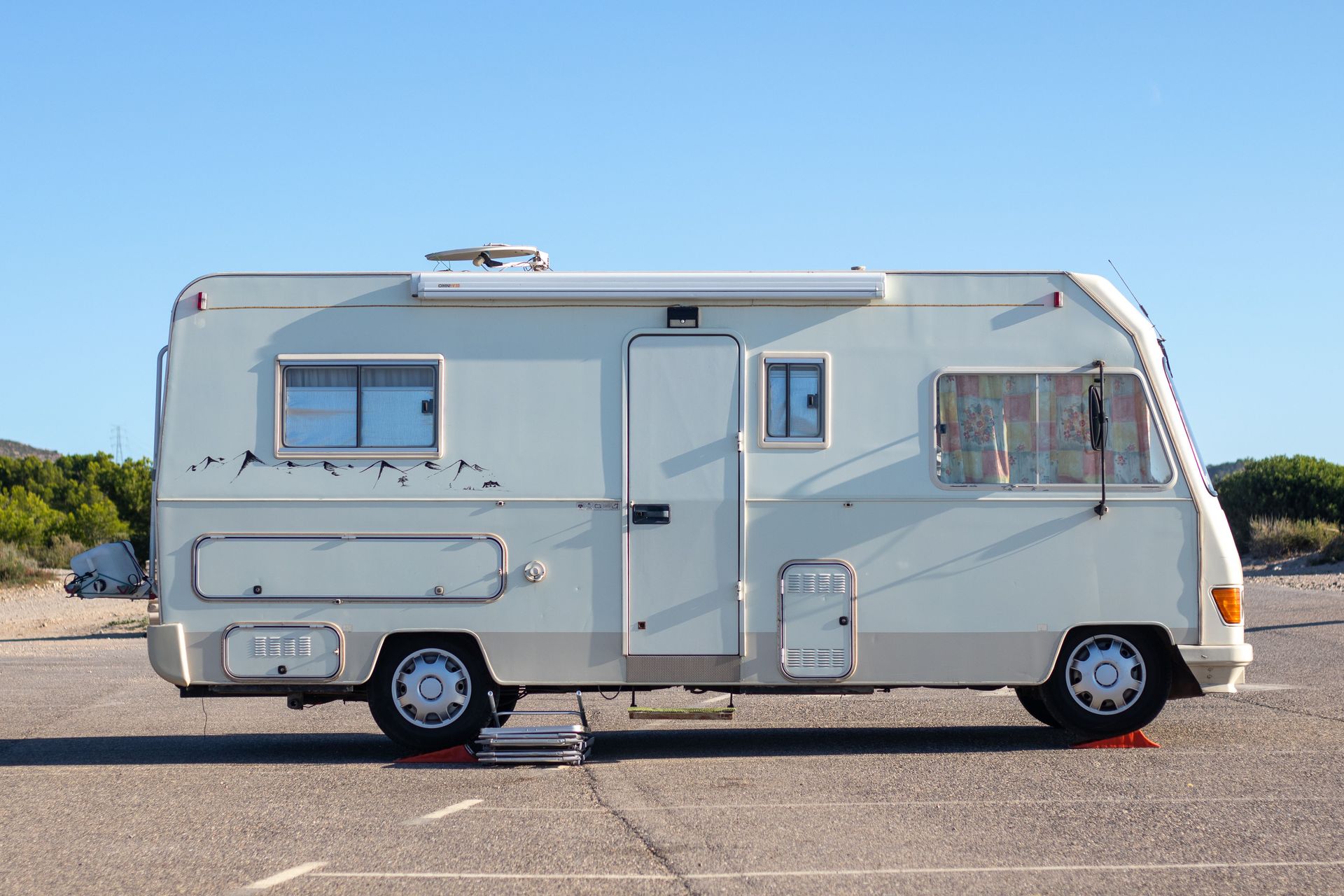
Security Storage on Allied Drive offers clean, drive-up units that let you load and unload right at the door, which is a real advantage when you are hauling boxes in cold weather. The gated and fenced facility runs 24-hour video monitoring with keypad access from 7 a.m. to 10 p.m. every day, plus month-to-month rentals and online bill pay for people who want flexibility during a move. It also handles covered and uncovered RV, boat, trailer, and vehicle parking, which matters in a town where outdoor toys are part of the culture. Positioned along Highway 12 between downtown Helena and East Helena, Helena Security Storage is an easy, secure choice whether you are settling in or just need room to breathe during the move.