Boat Storage Preparation: What to Do Before Parking Your Boat in Helena, MT
Putting your boat away after the last trip of the season takes more than pulling it onto a trailer and covering it. Water left inside the engine, moisture trapped beneath seats, and neglected trailer components can all cause problems while your boat sits unused. Knowing how to prepare a boat for storage helps you avoid preventable damage and makes getting back on the water easier when boating season returns.
For boat owners around Helena, proper preparation is especially important before winter. If you've spent the season fishing or boating at Canyon Ferry Reservoir, the end of your last outing is a good time to start thinking about maintenance. At Helena Security Storage, we offer covered and uncovered outdoor parking for boats and trailers. Our storage options in Helena provide a dedicated place to park your boat between trips or throughout the off-season.
1. Clean Your Boat Before Putting It Away
Start by washing the exterior of your boat, including the hull, deck, and areas around the motor. Dirt, algae, and other residue are easier to remove before they've had months to dry onto the surface. Use cleaning products appropriate for your boat's materials, and pay attention to areas where grime collects around fittings and hardware.
The interior deserves just as much attention. Remove food, trash, fishing bait, and anything else that could attract pests or produce odors. Wipe down storage compartments, clean beneath removable cushions, and allow damp upholstery to dry completely before closing everything up.
If you've been boating at Canyon Ferry Reservoir or another Montana waterway, follow applicable aquatic invasive species inspection and decontamination requirements before transporting or storing your boat. Cleaning and draining your equipment also helps prevent the movement of unwanted aquatic organisms between waterways.
2. Drain Water From the Boat's Systems
One of the most important parts of preparing a boat for storage is removing water from places where it shouldn't remain. Trapped water can contribute to corrosion, mildew, and damage to components. When temperatures fall below freezing, water left inside certain systems can expand and crack fittings or other equipment.
After taking the boat out of the water, check the bilge and remove the drain plug according to the manufacturer's instructions. Empty livewells, bait tanks, washdown systems, and other compartments designed to hold water. Keep the drain plug somewhere you'll remember to retrieve it before the next launch. Boats with onboard freshwater plumbing need additional attention. Water tanks, pumps, hoses, and fixtures should be drained and winterized according to their specific requirements. Some systems require marine or RV antifreeze, but the correct product and procedure depend on the equipment.
3. Prepare the Engine for Storage
Your boat's engine needs attention before an extended period of inactivity. The correct process depends on the engine's design, fuel system, and manufacturer's maintenance schedule, so use the owner's manual rather than applying the same procedure to every motor.
Change Fluids and Check for Contamination
Review the engine manufacturer's recommendations for changing the oil and filter before storage. Used engine oil can contain contaminants, and completing scheduled maintenance before the off-season means there's one less task waiting when you return. For engines with a gearcase, inspect the gear lubricant according to the maintenance schedule. Milky or discolored lubricant can indicate water intrusion, which should be investigated before the boat sits unused. If you're unfamiliar with the service procedure, a qualified marine technician can inspect the system.
Protect the Fuel System
Fuel left untreated for an extended period can deteriorate and create problems when the engine is restarted. Follow the manufacturer's instructions for fuel level, approved stabilizers, and treatment procedures. If a stabilizer is required, it generally needs to circulate through the fuel system before storage. Don't assume every engine should be stored with a full or empty tank. Requirements vary by engine and fuel system, and the manufacturer's guidance should determine the appropriate approach.
Winterize the Cooling System
Engines that use water for cooling need proper winterization before freezing conditions arrive. Depending on the design, this may involve draining water, flushing the system, or using an approved antifreeze procedure. Outboard and inboard engines have different requirements, and some systems need specialized equipment. If you're unsure how to winterize your engine correctly, professional service is preferable to risking freeze damage.
4. Remove the Battery and Protect Electrical Components
Boat batteries require attention when the vessel will remain unused for several months. A discharged battery can deteriorate during storage, and freezing temperatures create additional risks if the battery isn't adequately charged. Check the manufacturer's instructions for disconnecting and maintaining your battery. Depending on its type, you may need to remove it and keep it in an appropriate location with a compatible battery maintainer. Lithium batteries and traditional lead-acid batteries have different storage requirements, so don't assume the same charging procedure works for both.
Before leaving the boat, inspect electrical connections for corrosion and make sure onboard electronics are switched off. Portable electronics that aren't designed for prolonged outdoor exposure should be removed and stored separately.
5. Inspect Your Boat Trailer Before Storage
The trailer is easy to overlook when preparing a boat for storage, but its condition matters when it's time to transport the boat again. Start by checking tire pressure and examining the sidewalls for cracks or visible damage. Tires can deteriorate even when a trailer isn't being driven regularly.
Inspect the wheel bearings, lights, wiring, hitch, and safety chains. Check the trailer's maintenance instructions for bearing lubrication and other service requirements. If the trailer has brakes, inspect those components as well, particularly after repeated exposure to water.
Park the trailer on a stable, level surface and secure it against movement. Follow the trailer manufacturer's recommendations for supporting the tires during extended storage. Before your next trip, check the tires and bearings again rather than assuming they're ready because the trailer hasn't moved.
6. Choose a Proper Boat Cover
A well-fitted boat cover protects the interior from falling debris, precipitation, and prolonged sun exposure. But a poorly installed cover can create problems of its own, especially if water collects on top or moisture becomes trapped underneath. Choose a cover designed for your boat's shape and intended storage conditions. It should fit securely without rubbing against sharp hardware or putting excessive pressure on delicate components. Use suitable supports to prevent water from pooling, and follow the cover manufacturer's instructions for ventilation.
Clean and dry the boat before installing the cover. Covering wet upholstery or damp compartments can encourage mildew growth during storage. Check that the cover remains secure after installation, particularly when the boat will be parked outdoors for an extended period.
7. Decide Between Covered and Uncovered Boat Storage
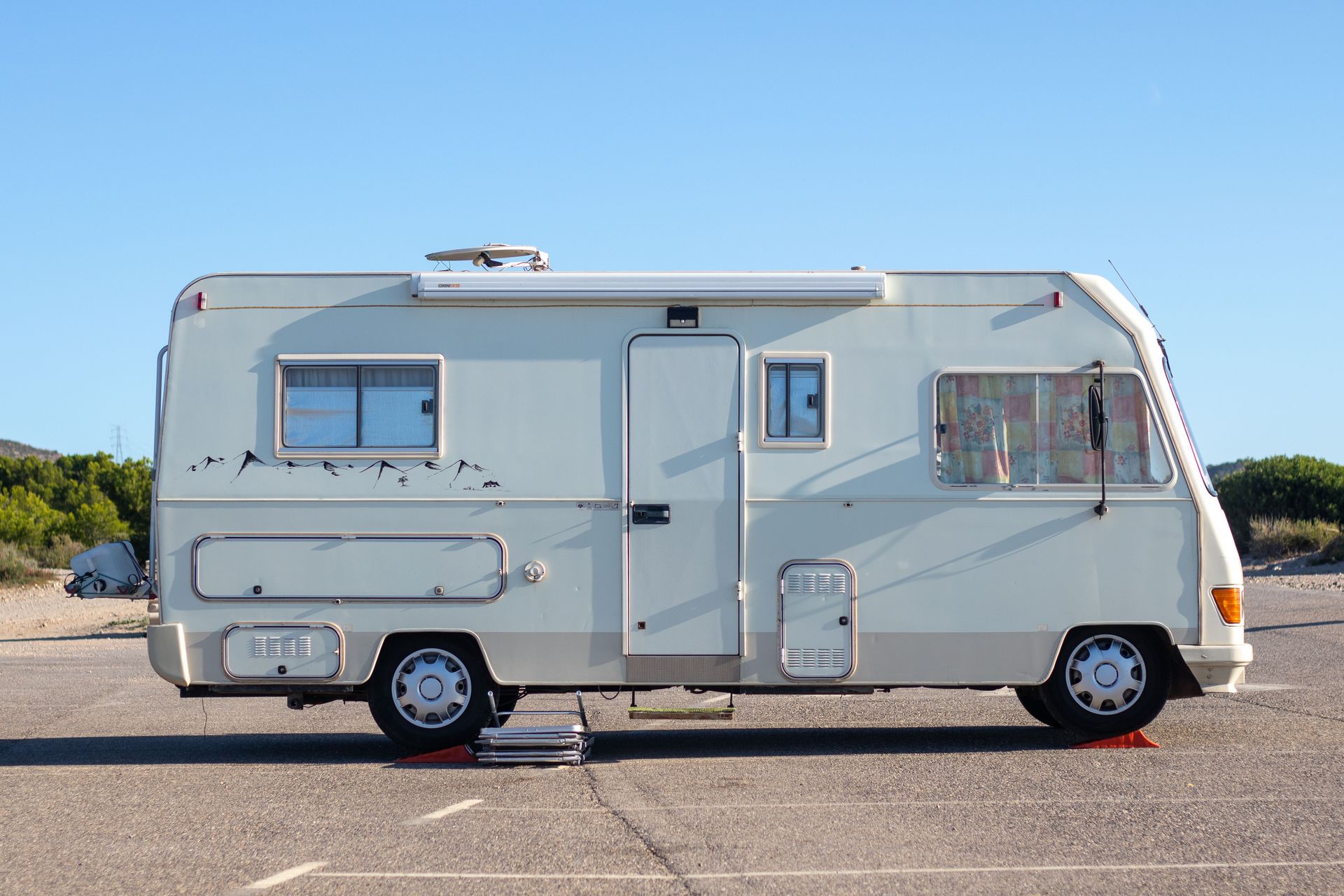
Once your boat is prepared, the next decision is where to park it. At Helena Security Storage, we offer covered and uncovered outdoor boat parking at our facility on Allied Drive, near Highway 12 between Helena and East Helena. Covered parking provides overhead protection from direct sunlight and precipitation. It's useful for owners who want additional shelter while keeping their boats on trailers. Covered parking is still outdoor storage, though, so proper winterization and a suitable boat cover remain important.
Uncovered parking is another option for boats designed to remain outdoors. With appropriate preparation and a properly secured cover, it provides a dedicated place to keep your boat when it's not being used. Before choosing a parking space, measure the complete boat and trailer, including the trailer tongue, motor, and any attached equipment. If you're considering covered parking, check the overall height as well. Available parking dimensions vary, so confirm that your boat fits the space before renting.
Our facility also has several features relevant to boat owners:
- Covered and uncovered outdoor parking for boats and trailers
- Fenced and gated property with keypad access
- Security cameras
- Daily access from 7:00 AM to 10:00 PM
- Month-to-month rentals
These details are particularly useful if you plan to retrieve your boat periodically rather than leaving it parked for the entire season.
8. Prepare for Long-Term Boat Storage
If your boat will remain unused throughout the winter, complete the maintenance recommended for your engine and onboard systems before parking it. A cover alone won't protect an engine from water left inside its cooling passages or prevent deterioration caused by neglected maintenance. Remove portable valuables and items that shouldn't remain exposed to changing outdoor conditions. Life jackets, removable cushions, and fishing equipment should be cleaned and dried before being stored separately. Our packing tips for organizing a storage unit explain how to arrange seasonal belongings, so they're easier to find when needed.
It's also worth checking on your boat periodically during an extended storage period. Inspect the cover for loose straps or accumulated water, look for signs of pests, and check the trailer tires. If you discover a problem, addressing it before the next boating season can prevent more extensive repairs. For owners storing other recreational vehicles during the colder months, our guide to winterizing an RV for storage covers the separate maintenance requirements for RV plumbing, batteries, and other systems.
9. Get Your Boat Ready Before Returning to the Water
Preparing your boat for storage also means thinking about what needs to happen before the next launch. Keep a record of maintenance completed before storage, including oil changes, fuel treatment, and winterization procedures. This gives you a reliable reference when recommissioning the boat.
Before heading back to the water, inspect the hull and trailer, reconnect and test the battery, and verify that the engine and electrical systems operate correctly. Any antifreeze used during winterization should be handled according to the manufacturer's recommissioning instructions. Check the drain plug, safety equipment, and required boating documentation before launching. For Helena boaters returning to Canyon Ferry Reservoir, the Bureau of Reclamation's recreation information provides details about boat ramps and other facilities around the reservoir. It's a useful resource when planning the first outing of the season.
Finding the Right Boat Storage Space in Helena
Preparing a boat properly before storage reduces the chance of discovering mechanical problems or moisture damage when you're ready to use it again. The work that matters most happens before parking: cleaning and drying the boat, winterizing its systems when necessary, servicing the engine, and checking the trailer. At Helena Security Storage, our covered and uncovered boat parking gives local owners a place to keep their boats between outings or during longer periods away from the water. Our facility at 3425 Allied Drive offers gated access, security cameras, and month-to-month rentals, with access available every day from 7:00 AM to 10:00 PM.
You can explore
storage options from Helena Security Storage to review available parking and determine which space accommodates your boat and trailer. Checking the overall dimensions before renting will help you choose a space that fits your equipment.